Property type: Pub & Bar
Pub and Bar Bridging Loans Cambridgeshire
We arrange bridging finance against pubs and bars across the Cambridge college pubs and Mill Road bars, the Peterborough city-centre pub scene, the Ely cathedral catchment pubs, and the rural Fenland pub estate. Loan sizes run £200,000 to £4 million, terms 6 to 18 months, completions in 10 to 21 days. Pub-and-bar bridging prices at 0.9 to 1.4% per month given the trading-asset profile.
- Decisions in hours
- Completion in days
- £100k to £25m
- Cambridgeshire specialists
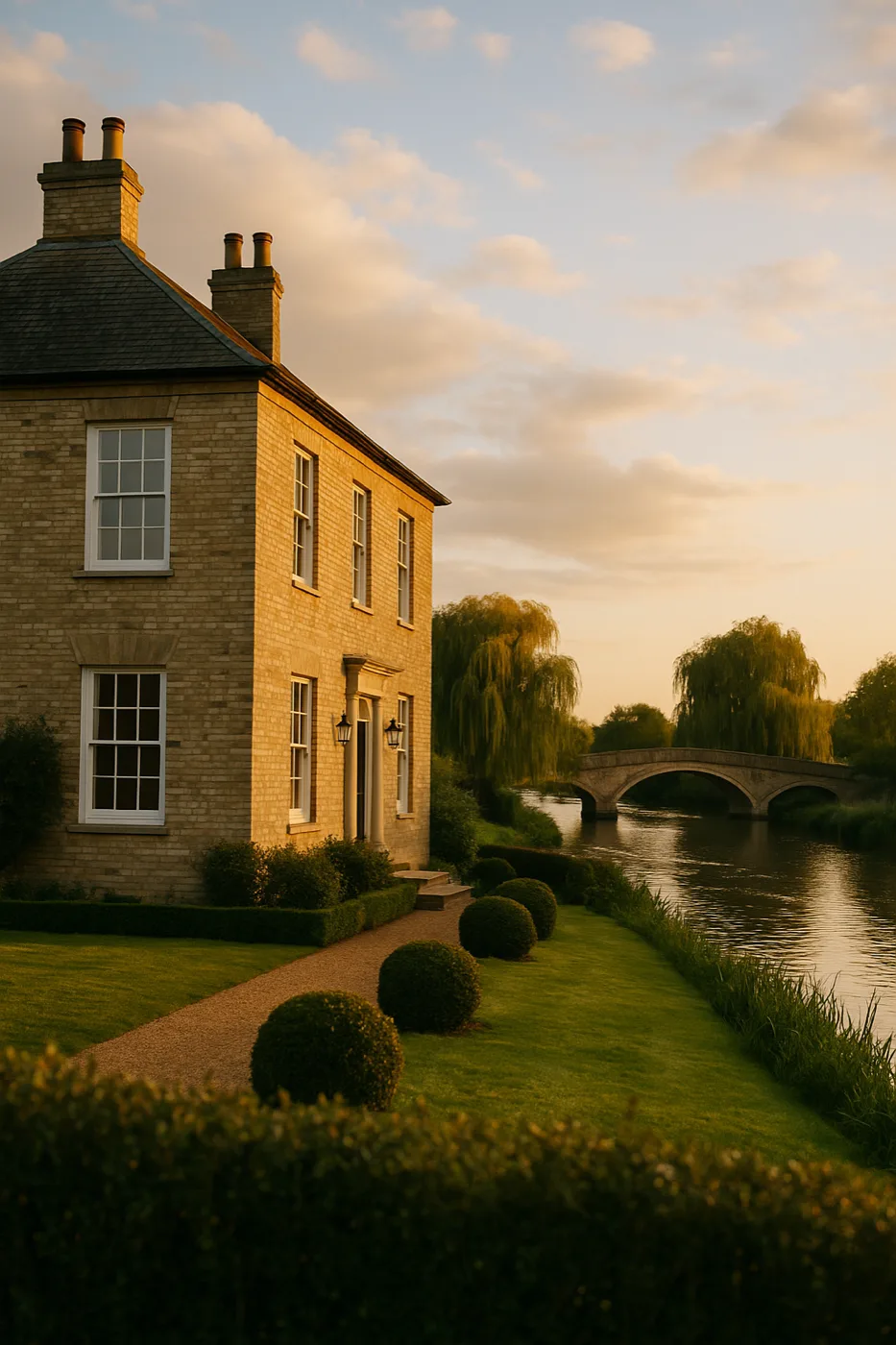
The asset class
What pub & bar property looks like in Cambridgeshire.
Pub and bar stock in this part of the East of England splits into three groups. There are the destination food-led pubs in central Cambridge, around the Backs, in the Ely cathedral catchment and across the better Fenland villages, which trade on tourism, college visitor flow and rural-destination food trade. There are the wet-led suburban locals across Cherry Hinton, Romsey Town, central Peterborough, the Wisbech market town and the Fenland villages, which have seen the steepest closures across the last decade and are most likely to come up as change-of-use plays. And there are the Cambridge late-night bars along Mill Road and Regent Street, and the Peterborough city-centre bar scene, which trade on a year-round late-night market. Each reads differently to a bridging lender. Trading-asset value, vacant possession value and alternative-use value can sit a long way apart.
Use cases
Bridging use cases for pub & bar assets.
Pub-and-bar bridging cases in this market cluster around four patterns. The first is free-of-tie acquisition where a buyer is purchasing a pub from a pub-co or from a retiring tenant, with the bridge funding the purchase pending refinance to term commercial debt with a pub-specialist lender. The second is change-of-use to residential, particularly on the wet-led suburban and Fenland village stock that no longer trades, where bridging funds the purchase plus the conversion works. The third is refurbishment-and-reposition cases where a tired pub is bought, brought up to current food-led standard, and refinanced once trading is rebased. The fourth is capital-raise against an unencumbered pub held by an established operator, often to fund the next acquisition or to release working capital. Across all four, the underwriting reads through to trading evidence, the operator's track record and the credibility of the exit at stabilised performance.
Cambridgeshire context
The Cambridgeshire Pub Estate, from College Pub to Fenland Local
Cambridge has a denser college-and-tourism pub estate per head than most equivalent UK cities, supported by the academic and visitor flow. The Eagle, the Pickerel, the Mill, the Anchor and the wider central-Cambridge pub stock all trade on identifiable college and tourism customer flows. Mill Road and Regent Street carry a denser run of late-night bars serving the postgraduate and young-professional market. Peterborough city-centre pubs trade on a different curve, with stronger weekday daytime trade from the public-sector and rail-hub workforce, and weekend leisure trade from the regional catchment. Across the Fenland market towns and villages, the rural pub estate has seen the steepest closures over the last fifteen years, with many pubs now coming up as change-of-use conversions to residential or small mixed-use. Ely supports a small but resilient pub estate around the cathedral catchment and the riverside. Beyond the urban centres, the village pubs across the Cambridge commuter belt, the Huntingdonshire countryside and the Fenland villages split between the food-led destination pubs that trade firm and the wet-led locals that carry the same closure pressure seen across rural England. Pub-specialist lenders read all of this and price accordingly.
Valuation and lenders
Valuation and lender considerations.
Pub-and-bar valuations come back on a trading-business basis for going-concern pubs, on a vacant-possession basis where trading is interrupted, and on an alternative-use basis where the conversion play drives the deal. Bridging lenders lend on the lower of the relevant figures. LTV caps sit at 55 to 65% on trading pubs with strong evidence, 50 to 60% on vacant or distressed stock, and 60 to 65% on as-is value where the case is a clear conversion play. MT Finance, Octane Capital, Hope Capital, United Trust Bank and Together all take pub-and-bar bridging, with Shawbrook, Cambridge & Counties and the pub-specialist team at OakNorth stronger at the larger end. Operator covenant, trading accounts and EPC position all drive the case.
What we arrange
What we typically arrange.
A typical pub-and-bar bridge sits at £350,000 to £1.5 million, 55 to 65% LTV, 9 to 15 months term, 0.9 to 1.3% per month, arrangement fee 1.5 to 2%. Conversion cases include a monitored works tranche. Exit is typically refinance to term commercial debt with a pub-specialist lender, sale to an operator, or sale of converted residential units on a change-of-use exit. Completion in 14 to 21 days is normal where the title and licence position are clean.
FAQs
Pub & Bar bridging questions
Can we bridge a pub purchase with conversion to residential planned?
+
Yes, and this is one of the most common pub-and-bar cases across the Cambridgeshire Fenland and village estate. The bridge funds the purchase at 60 to 65% of vacant-possession value plus a works tranche released against monitoring sign-off as the conversion progresses. We check the planning position up front with planning consultants familiar with the local council positions on community-pub designations and Asset of Community Value listings, which can affect the conversion route. The exit is typically refinance to BTL on retained units and open-market sale on disposed units.
How quickly can a free-of-tie pub purchase complete?
+
Free-of-tie acquisitions from a pub-co or a retiring tenant typically complete in 14 to 21 days from offer. The binding constraints are usually the trading accounts, the licence-transfer position and the inventory schedule. Where trading evidence is good and the title is clean we can move faster. We work with licensing solicitors who handle the licence transfer in parallel with the property completion so the new operator can trade from day one.
What rate range applies to pub-and-bar bridging?
+
Trading pubs with strong evidence, a clear refinance exit and a recognisable operator price at 0.9 to 1.1% per month at 55 to 65% LTV. Vacant or distressed stock prices 1.1 to 1.4% per month at 50 to 60% LTV. Conversion-led plays sit in the middle. Arrangement fees are 1.5 to 2%, with valuation and legal on both sides borrower-paid. Trading-business valuations cost more than vanilla property valuations and need to be factored into the deal cost.
Tell us about the deal
Indicative terms within 24 hours.
A short triage call, then a sized indicative offer against a named lender for your pub & bar property in Cambridgeshire or across Cambridgeshire.
Regulated bridging on owner-occupied residential property falls under FCA regulation. Unregulated bridging on commercial and investment property does not. We are not directly regulated by the Financial Conduct Authority, and we introduce regulated cases to authorised partners who carry out the regulated activity.
Next step
Talk to a Cambridgeshire pub & bar bridging specialist.
We arrange short-term finance on pub & bar property across Cambridgeshire, the Cambridgeshire County Council and Peterborough City Council unitary areas, and the wider Cambridgeshire market. Indicative terms in 24 hours.